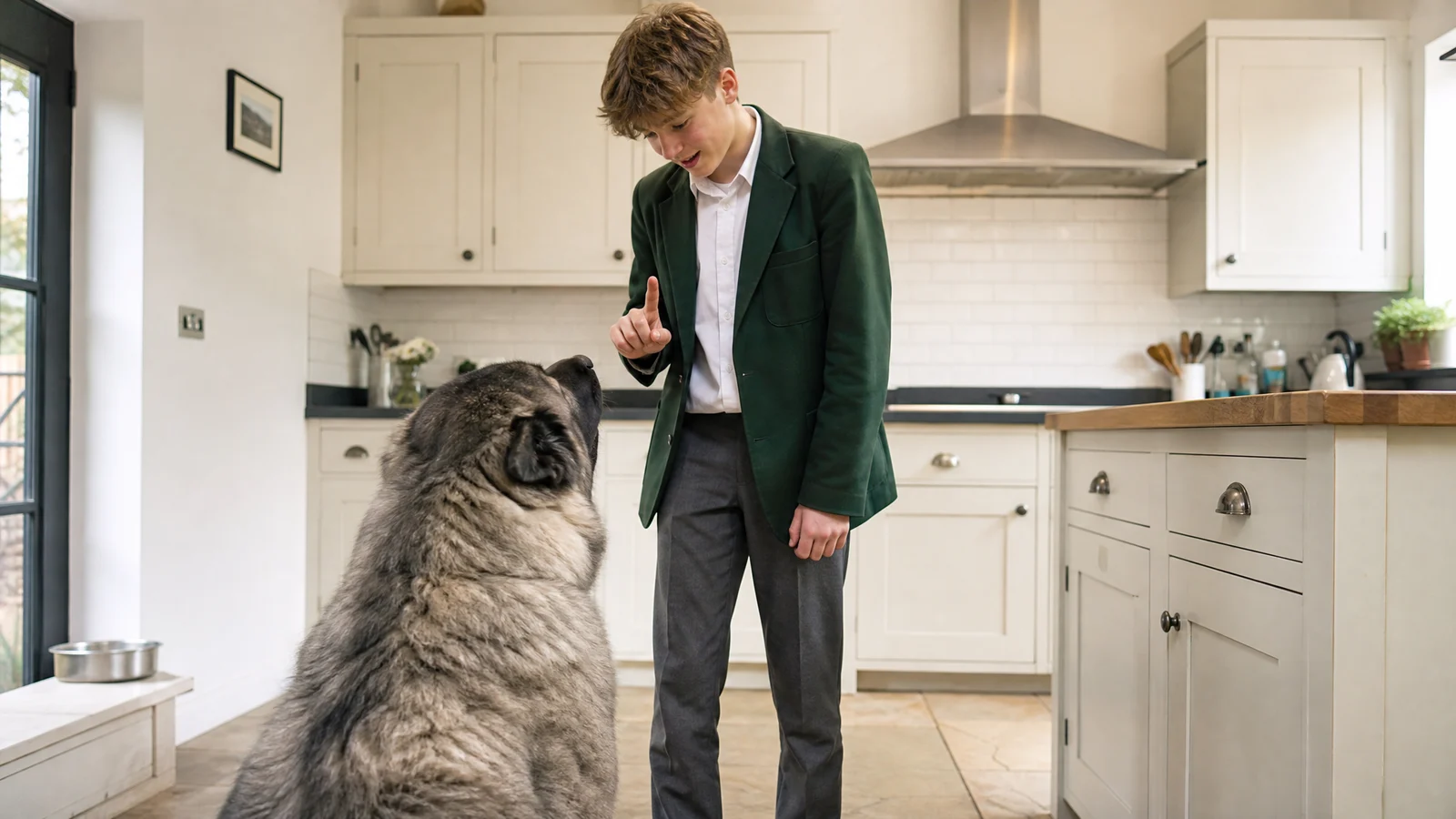
A Caucasian Shepherd Dog may respond smoothly in the kitchen, then step outside and scan the environment instead of turning toward the same cue. The dog did not forget. The context became harder, and the skill needs a bridge from quiet understanding to reliable daily use around ordinary distractions that compete for attention.
We train this intelligent, independent breed as a system whose parts support one another. Management prevents unsafe rehearsal, shared language makes success clear, rewards support willing choices, and gradual practice builds reliability. This guide maps those layers across manners, handling, social situations, exercise, and common breakdowns, then routes you to the next focused skill for daily life.
Caucasian Shepherd Dog Training Starts With Management
Training begins before a cue. Secure doors, gates, fencing, and leash handling determine which choices are available while a skill is unfinished. The breed overview describes the Caucasian Shepherd Dog as a serious guardian breed that should not be taken lightly. That history informs careful management, not operational work.
Management is not a substitute for teaching. It prevents the dog from repeatedly practicing fence focus, rushing a doorway, crowding a guest, or pulling toward a distraction while you build another response. Every prevented rehearsal gives rewarded practice a cleaner chance to accumulate.
Map the household by pressure points rather than waiting for a problem. Decide where the dog rests during deliveries, how the leash is attached before an exterior door opens, which barriers separate visitors, and where food rewards are stored. The plan should work even on a busy day.
Use layers that support one another. Remove a management layer only after the trained response is ready to carry its job.
- Arrange a safe environment where the unfinished behavior cannot create a crisis.
- Teach the replacement response in a quiet place with a clear marker and reward.
- Practice at a distance from the real distraction where the dog can still engage.
- Reduce management only after the response remains reliable across several ordinary contexts.
Keep the dog's historical role in perspective. You are not developing suspicion, territorial response, or threat engagement. You are teaching household skills and calm alternatives while physical setup carries the safety burden.
Training a Shared Language
A shared language tells the dog when they are correct, what reward follows, and when the task ends. Without those pieces, a strong-willed dog may reasonably leave an exercise whose boundaries are unclear. Teach each signal separately before expecting a polished sequence.
Training Markers
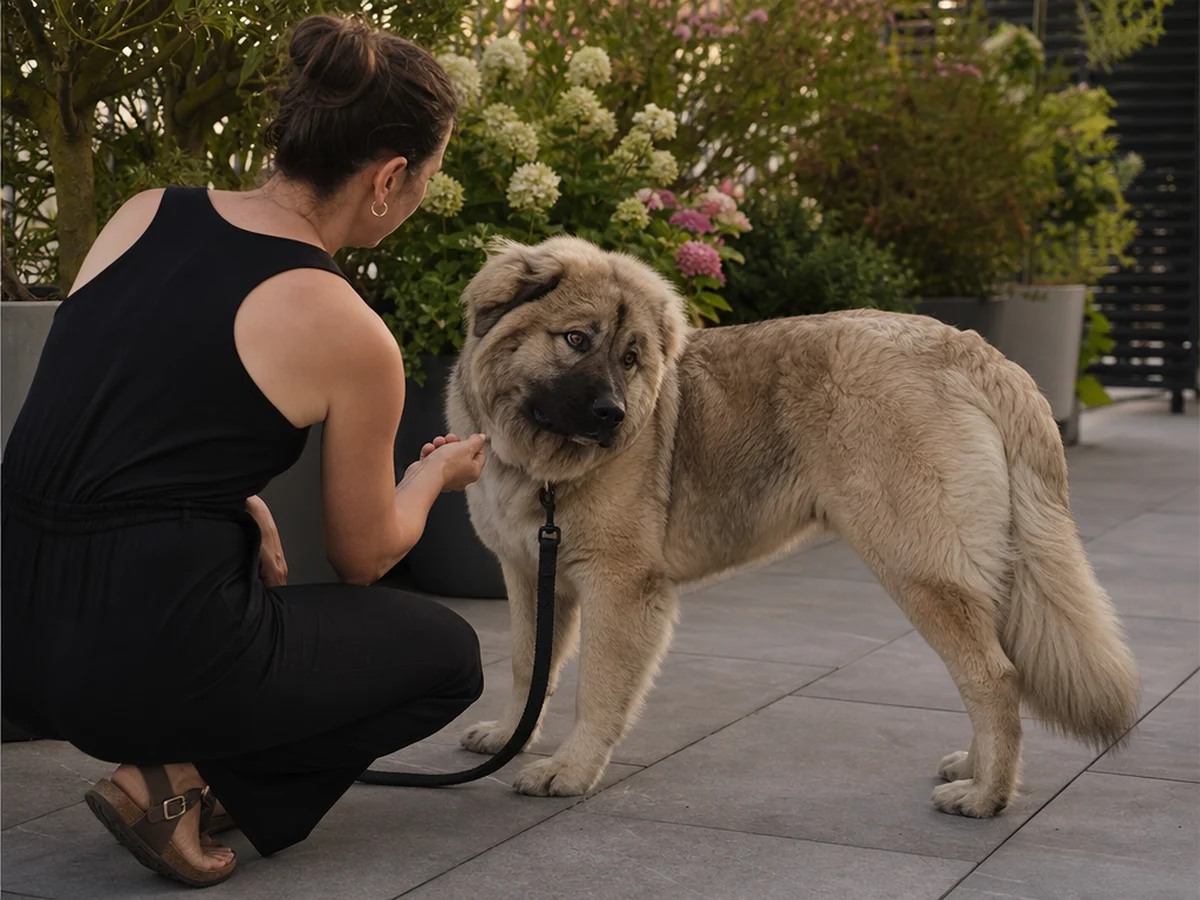
A marker is a short sound or word delivered at the exact successful moment. Pair it with a reward until the dog turns toward you when they hear it. Then use it to capture small steps, such as a glance, a paw on the mat, or one moment of leash slack.
The marker ends that repetition, but it does not always release the dog from the larger position. If you want the dog to remain on a mat after receiving food, deliver the reward on the mat and mark calm again. Clarity about location prevents the reward from pulling the dog out of the behavior.
Training Rewards
Choose rewards by observing what brings the dog back to the lesson. Food is precise, while access to sniffing or movement can suit an outdoor task. Calm contact works only when the dog seeks it. The reward should strengthen the behavior rather than raise arousal beyond the next repetition.
The humane training statement from the American Veterinary Society of Animal Behavior supports reward-based methods for dog training. Reward-based structure still includes routines, boundaries, and clear expectations. The dog learns what to do, not merely what to avoid.
Training Releases
A release cue tells the dog that a stationary behavior has ended. Teach it after a brief sit, stand, or mat response by saying the word once and encouraging movement. Reward after the release at first so leaving on cue becomes part of the shared language.
Do not make duration a guessing game. Build it in small pieces, sometimes releasing quickly and sometimes after a little longer. The dog should wait for the signal because the pattern is clear, not because they are worried about moving.
Caucasian Shepherd Dog Training for Daily Handling
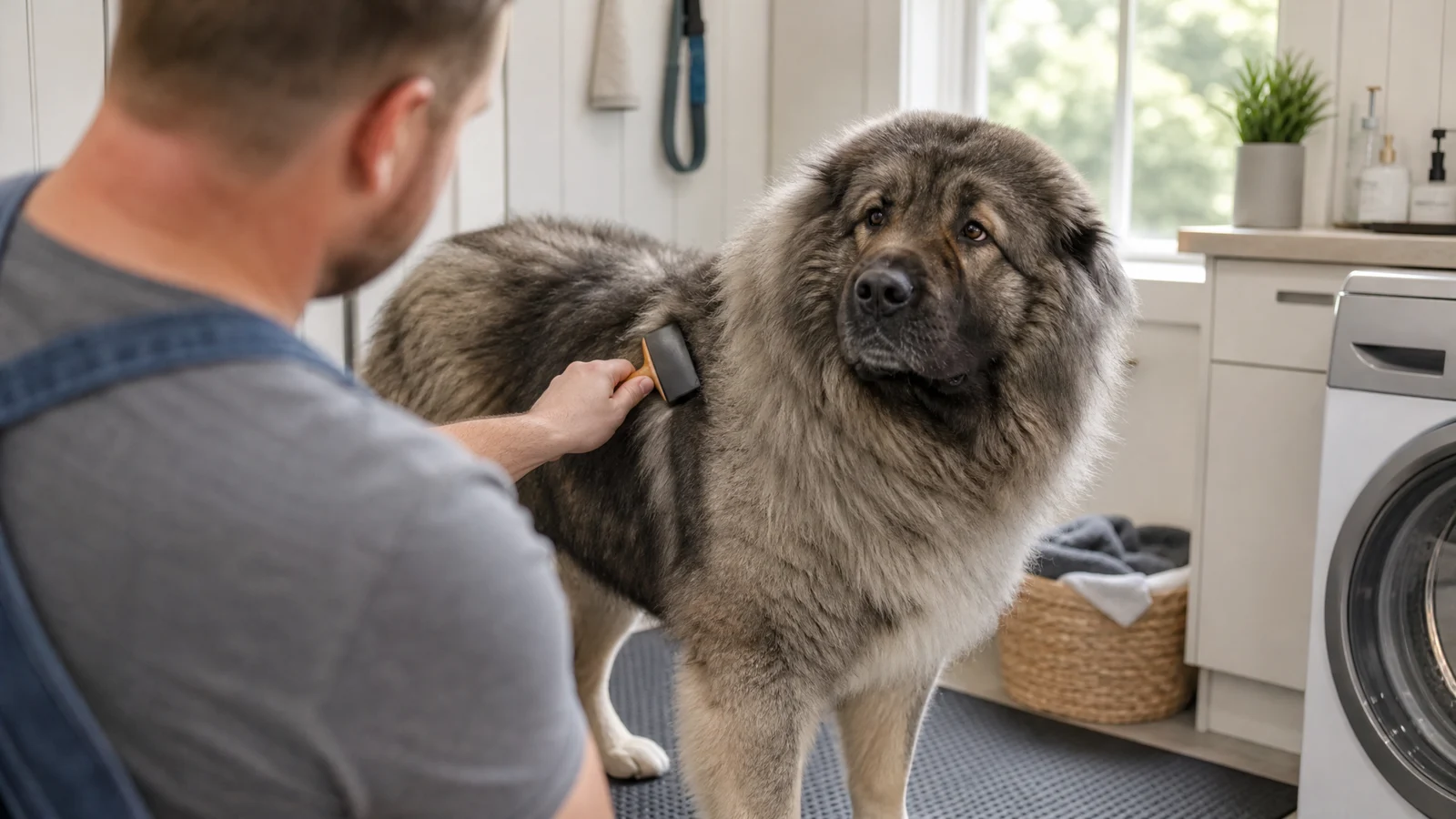
Handling skills protect routine care. A large dog who can stand, shift position, and accept brief touch makes grooming and veterinary visits more manageable. Build cooperation while nothing urgent is happening, and let the dog move away before concern becomes a struggle.
Training a Start Position
Choose a mat with stable footing. Reward the dog for stepping onto it, then for standing in a comfortable position. Add a chin rest to your open hand if the dog enjoys it. That position can become a voluntary start signal for examining ears, paws, or coat.
Keep early touches on easy body areas. The handling guidance from Best Friends recommends returning to an earlier step when stress signals appear. A cooperative start is useful only when the dog can also pause the interaction.
Training Brief Touch
Touch the shoulder briefly, mark, reward, and remove your hand. Change one feature at a time by moving to another area, adding a little duration, or introducing a tool at a distance. Do not combine a new tool, a sensitive body part, and a long hold in one repetition.
Watch for head turns away, lip licking, leaning out, paw withdrawal, or a body that becomes still. Those signs tell you to reduce the request. The goal is not to see how much the dog permits. It is to build a history of predictable, rewarded contact.
Training Everyday Manners
Practical manners should connect directly to household movement. Teach a pause while the leash is attached, a station while food is prepared, and following you through a doorway after release. These skills reduce conflict because they replace crowding with a known path to the next activity.
Keep sessions short enough that the dog can succeed and return later. Reliability comes from repetitions distributed through normal life. One calm pause at each doorway can teach more than a long session that has no daily purpose.
Training Around People and Dogs
Social training does not require close greetings. For a breed described as suspicious of unfamiliar people and dogs, the useful skill is often calm observation at a distance, followed by orientation to the handler and movement away. Neutrality is a valid outcome.
Start beyond the point where the dog stiffens, fixes a stare, refuses food, or stops responding. Mark a glance toward the distant person or dog, then reward turning back. Leave while the dog is still able to think. Repeated calm departures teach more than waiting for a reaction.
Do not invite strangers to reach toward the dog as a test. Use gates, leashes, closed doors, and separate rooms when distance cannot be maintained. Household visitor setups and supervised introductions deserve their own gradual plan rather than being improvised at the doorway.
Puppy exposure should remain positive and voluntary. New surfaces, sounds, people, and suitable dogs can be observed without forced interaction. If the puppy withdraws, create space. Learning that retreat is available can preserve curiosity better than keeping the puppy in a difficult encounter.
Escalating lunging, snapping, inability to recover, or a situation where safety depends on an unproven cue requires professional help. Consult a qualified reward-based behavior professional, and involve your veterinarian when behavior changes suddenly or physical discomfort may contribute.
Exercise Supports Training
Comfortable movement and thinking activities can help a dog arrive at training ready to engage, but exercise does not erase fear or teach manners by itself. Plan activity and skill work as partners. A sniffing walk may lower restlessness, while a short station exercise teaches what to do afterward.
Avoid using exhaustion as the goal. An overtired or highly aroused dog may respond less reliably, not more. End movement with water, a calm transition, and rest. Then choose a familiar skill before asking for anything difficult.
Thinking work can be woven into the day. Ask the dog to find a few visible food rewards, follow a hand target between rooms, or settle on a mat while you complete a brief task. Each game needs a clear finish so searching or movement does not continue indefinitely.
Balance movement, thinking, and recovery as adjustable parts of the day. Reconsider that balance when training falls apart because the daily activity rhythm is poorly matched to the individual dog.
Regular vet visits support both activity and training decisions. A sudden change in gait, energy, sleep, appetite, handling tolerance, or response to familiar cues deserves veterinary attention rather than a harder lesson.
Caucasian Shepherd Dog Training Troubleshooting
When a skill fails, return to the system instead of repeating the cue. Identify whether management, understanding, motivation, environment, or physical comfort changed. The table points each symptom toward the layer that deserves attention first.
| Training symptom | Layer to check | First adjustment |
|---|---|---|
| The dog responds only when food is visible | Shared language | Mark the completed action, then reach for the reward |
| The dog responds indoors but scans outside | Environment | Add distance and reward voluntary orientation |
| The dog leaves after one repetition | Motivation or duration | Use a better outcome and end sooner |
| The dog cannot settle during activity | Recovery | Lower intensity and teach a calm transition |
| The dog suddenly avoids touch | Physical comfort | Pause handling and contact a veterinarian |
Repeated cues often become background noise. If the dog does not respond, do not keep saying the word. Help with an easier setup, mark the first correct movement, and reward. If the old cue has lost meaning, teach a new one carefully rather than demanding a different result from the same pattern.
For the motivation side of troubleshooting, the guide to Caucasian Shepherd Dog temperament separates understanding, willingness, and reliability. That distinction helps you avoid mistaking an environmental problem for a character judgment.
Choose the Next Training Question
A complete guide should help you choose the next narrow lesson, not encourage you to practice everything at once. Pick the skill whose absence creates the greatest daily friction, arrange management around it, and teach the easiest successful version.
If the dog resists confinement or worries when you move away, begin with Caucasian Shepherd crate training as a comfort ladder. If the puppy's freedom has outpaced supervision, use the Caucasian Shepherd potty training route to rebuild predictable opportunities.
When outdoor attention is the gap, focus on Caucasian Shepherd leash training with distance, orientation, and slack. Keep the larger system in place while one skill receives extra practice.
Train the Caucasian Shepherd Dog in layers: safe setup, shared signals, worthwhile rewards, manageable context, and recovery. When a response breaks, inspect the layer rather than blaming the dog. That habit keeps training humane, specific, and useful throughout a slow path to maturity.
 CareGrooming and Vet Handling for Each Caucasian Shepherd Type
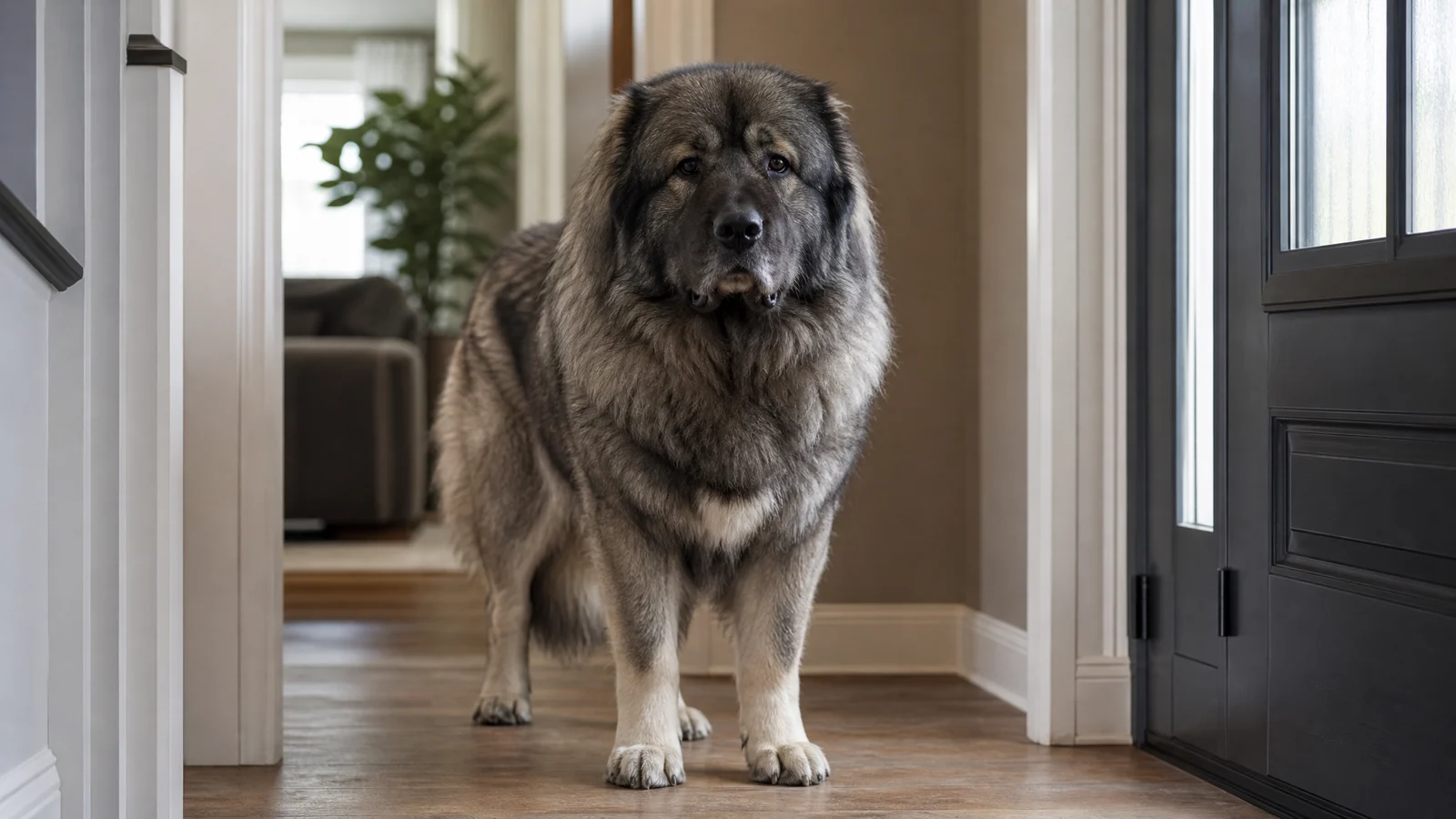 BehaviorWelcoming Visitors to a Caucasian Shepherd Guard Dog
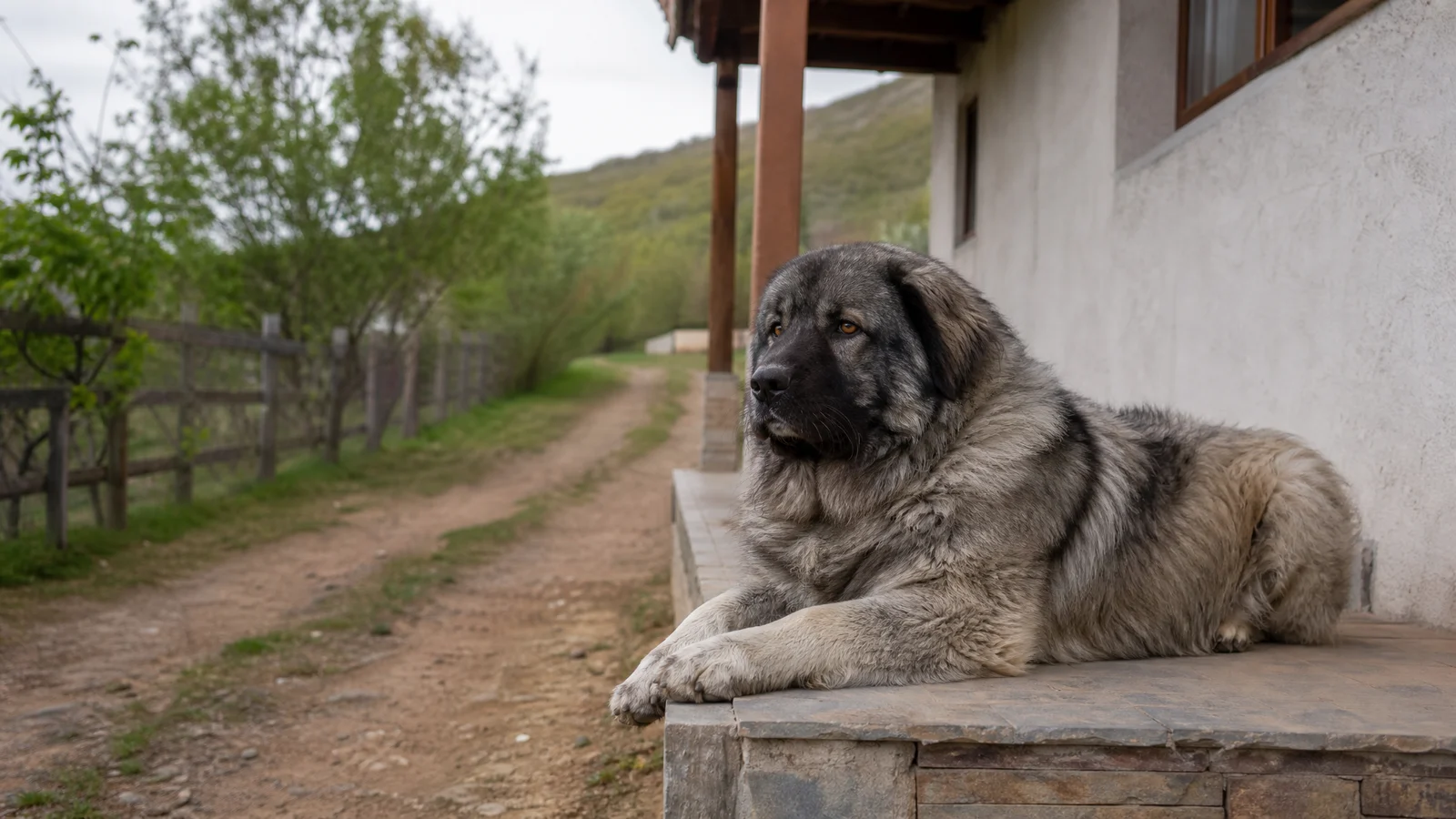 BehaviorTeaching a Caucasian Shepherd Guard Dog to Watch the Yard Calmly