No single mileage target fits every Caucasian Shepherd Dog. Their useful routine balances comfortable movement, thinking work, and recovery, then changes with age, health, weather, and the dog's response. Adding more activity whenever the dog seems restless can create arousal without teaching the dog how to settle afterward.
Think of the routine as a set of dials rather than one rigid formula suited to every day. Movement can rise while mental work stays simple, or a quiet day can feature searching and household skills. This guide explains each dial, offers contained activities and brain games, and finishes with a two-week comparison based on the same dog's recovery. We recommend letting comfort and engagement guide each adjustment.
Caucasian Shepherd Dog Exercise Dials
The breed is described as active outdoors and fairly quiet in the house, with endurance for walking and hiking. That combination favors purposeful, steady activity over an assumption that every day needs intense speed. The plan should leave the dog able to rest, move comfortably, and engage with the next ordinary task.
Containment is part of exercise design. The breed guidance says this intelligent, independent dog should be kept in a fenced yard and walked on leash. A secure boundary alone is not enrichment, but it creates a place where movement and training can happen safely.
Use three dials when planning a day. None must be set high for the day to count.
| Dial | What it includes | What to observe afterward |
|---|---|---|
| Movement | Leashed walking, secure-yard movement, comfortable exploration | Even gait, relaxed breathing, normal willingness to move |
| Thinking | Searching, simple cues, choice games, calm household tasks | Focus without frustration, easy transition away from the game |
| Recovery | Water, quiet rest, comfortable temperature, low activity | Settling, loose posture, normal interest when activity resumes |
Start from the day the dog is already having. Hot weather, an unfamiliar route, household activity, or a poor night's rest can lower the amount of challenge they handle comfortably. A flexible plan responds to those conditions without treating a quieter day as lost progress.
Adjust one dial at a time when possible. If a longer walk and a harder search game happen together, an unsettled evening will not tell you which change was too much. Small adjustments make the dog's feedback easier to read.
Exercise supports behavior, but it does not replace management or training. A tired dog may still react to movement, worry about visitors, or practice barking at a window. Meet physical needs, then teach the specific response you want in the situation where you need it.
Exercise for Quiet Days
A quiet day can still be complete. Choose one main movement activity, add a short thinking task, and protect recovery. The aim is a rhythm the household can repeat, not a dramatic outing that requires the next day to repair.
Leashed Exercise Walks
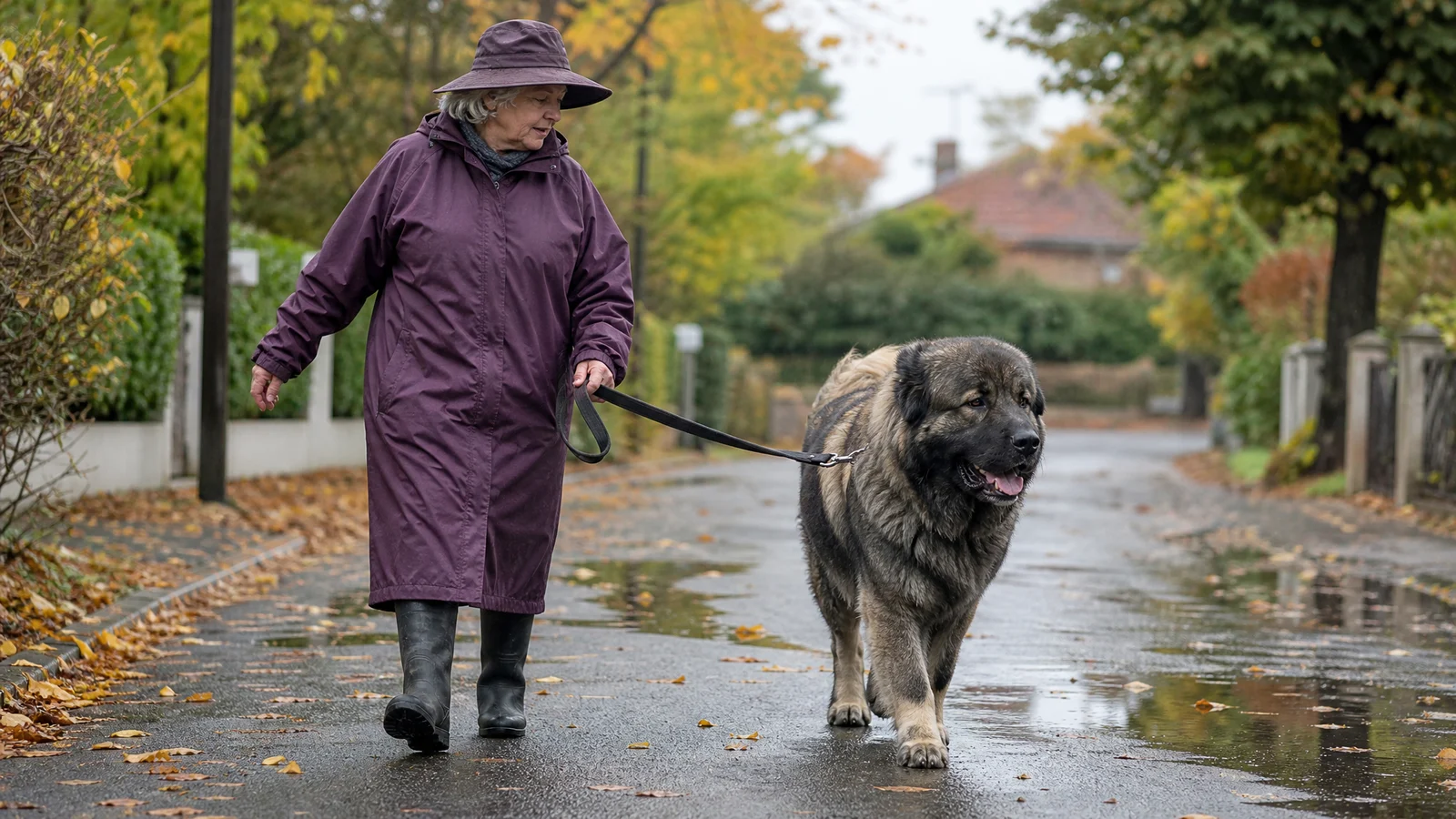
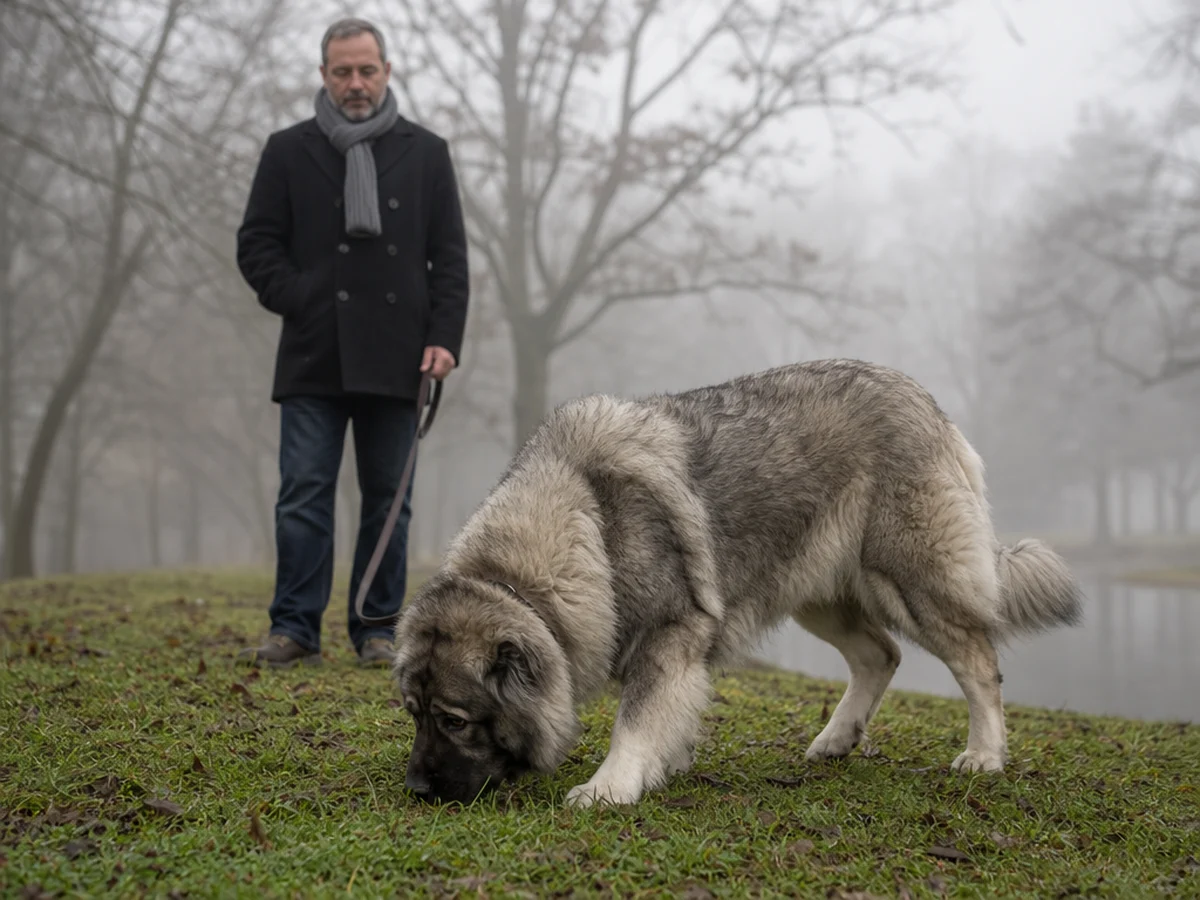
Begin in a place where the dog can scan without being crowded. Reward voluntary orientation and loose leash movement, then allow time to sniff. Sniffing changes the walk from a straight mileage task into information gathering, which can be mentally engaging without requiring speed.
Route choice matters for a large, independent dog. Prefer space, predictable footing, and room to change direction. If a person, dog, bicycle, or vehicle draws a fixed stare, increase distance before asking for attention. Best Friends' leash reactivity guide lists pulling and lunging among responses that can appear around varied triggers.
Do not turn a difficult route into an endurance test. A shorter walk with successful check-ins may provide better practice than a long route filled with repeated close encounters. The Caucasian Shepherd training library explains how expectations change while a young dog is still maturing.
Secure-Yard Exercise
A fenced yard supports free movement, sniffing, and simple games, but the dog should not be left to invent the whole session. Walk the boundary together, scatter a few food rewards in a clear area, or practice moving between two resting stations. End before repetitive pacing or fence focus takes over.
Check gates, latches, and the ground before each session. Weather and surface temperature can change what is comfortable even when the route is familiar. Provide water and shade, and bring the dog inside if their movement or breathing changes.
Indoor Movement
On a day when outdoor conditions are poor, use broad, uncluttered paths through the home. Practice following you between rooms, stepping onto a mat, changing direction, and settling after movement. Keep turns wide enough for the dog's body and avoid slick floors or repeated impact.
Indoor work should remain calm. Fast chasing in a tight room can make footing unsafe and raise arousal. The useful sequence is movement, a simple decision, a reward, and a pause.
Caucasian Shepherd Dog Brain Games
Brain games give the dog a solvable problem and a clear way to finish. They should not be puzzles that keep getting harder while the dog becomes frustrated. The daily exercise guidance from PDSA includes training as a way to keep the mind active and reinforce useful cues.
Choose games whose rules can be explained through setup. The dog should be able to find success without repeated verbal prompting, and you should be able to end the activity cleanly. These qualities keep thinking work calm enough to complement a steady movement day.
Searching With a Finish
Let the dog watch you place a few food rewards in open, safe locations. Release them to search, then use a consistent finish cue when the last reward is found. An obvious first version teaches the rules before you add distance or hide rewards partly behind objects.
Searching should happen in an area free of hazards and household items you do not want investigated. If the dog begins grabbing objects or cannot stop searching after the finish cue, make the next game easier and more visible.
Choice and Orientation
Hold out two empty hands, mark a nose touch to either one, and reward from your pocket. Change hand position gradually so the dog learns to orient toward a clear target. This game can later help with moving away from a doorway, turning during a walk, or positioning for handling.
Choice does not mean the lesson has no boundaries. You define the safe options and reward either correct selection. That arrangement gives an independent dog agency inside a predictable training structure.
Household Skill Circuits
Connect familiar actions in a calm circuit. The dog moves to a mat, follows you across the room, pauses for a brief body check, and returns to the mat. Reward each piece at first, then reward a pair of easy actions when the sequence is fluent.
Keep the circuit practical. It can rehearse movement needed before opening a door, settling while food is prepared, or standing for grooming. A useful skill earns a place in daily life, which keeps mental work from becoming a separate performance.
Use a short menu rather than repeating one game until interest fades. Pick the option whose energy fits the rest of the day.
- Choose an easy search when the dog needs quiet investigation.
- Choose hand targeting when you want orientation and movement together.
- Choose a mat circuit when the day calls for calm household practice.
- Finish with water and rest before adding another challenge.
For more calm outlets, the site's guide to Caucasian Shepherd sports explains recreational options suited to the breed's steadier working style. Guardian history remains background, not an activity plan.
Reading Exercise Recovery
Recovery is where you learn whether the plan fit. After activity, the dog should be able to drink, move to a comfortable place, and settle. A brief period of alert observation can be normal, but prolonged pacing, repeated demand behavior, or inability to rest suggests the activity or transition needs adjustment.
Watch the body as well as the clock. An even gait, willingness to rise, normal interest in the next outing, and relaxed sleep are more informative than comparing the dog with another breed. Reluctance to move, stiffness, limping, or a sudden drop in enthusiasm calls for rest and veterinary guidance.
Arousal can imitate unmet exercise needs. If the dog becomes more frantic after fast play, replace some speed with sniffing, simple cues, and a predictable cool-down. If a longer walk produces a calmer evening without physical discomfort, that is useful evidence about this dog's current balance.
Age and health change all three dials. A growing puppy, a mature adult, and an older dog should not share one fixed target simply because they share a breed. Regular vet visits help you discuss suitable activity for your individual dog's body and recognize changes that training cannot address.
The Recovery Transition
Also inspect the transition into rest. Lower household activity, offer a comfortable resting place, and avoid starting another exciting game because the dog has not settled instantly. Recovery is a skill the routine can support, not a switch every dog flips at the same speed.
Keep a plain record using descriptions rather than unsupported targets. Note the activity, the dog's engagement during it, how they moved afterward, and whether settling was easy. A few clear observations are enough to guide the next small change.
A Two-Week Caucasian Shepherd Dog Exercise Check
Use the first week to observe the existing routine. Keep routes and games familiar, and note movement quality, engagement, and recovery. Do not chase a perfect day. You are looking for a repeatable pattern across ordinary household conditions.
During the next week, change one dial. You might replace part of a brisk walk with sniffing, add one short search game on a quiet day, or make the cool-down more consistent. Keep the other parts stable enough that the effect is visible.
Compare the dog with themselves. Ask whether they begin activity willingly, remain physically comfortable, respond to familiar cues, and settle afterward. If recovery worsens, return to the earlier version. If the dog stays comfortable and engaged, keep the change long enough to see whether it remains useful.
The right Caucasian Shepherd Dog exercise plan is not the largest number you can achieve. It is a contained, varied rhythm that supports movement, thought, and rest. The routine should remain easy for the household to repeat and easy to modify when the dog's feedback changes. When those dials work together, activity prepares the dog for daily life instead of becoming another source of strain.
 Training basicsHow to Potty Train a Caucasian Shepherd Puppy
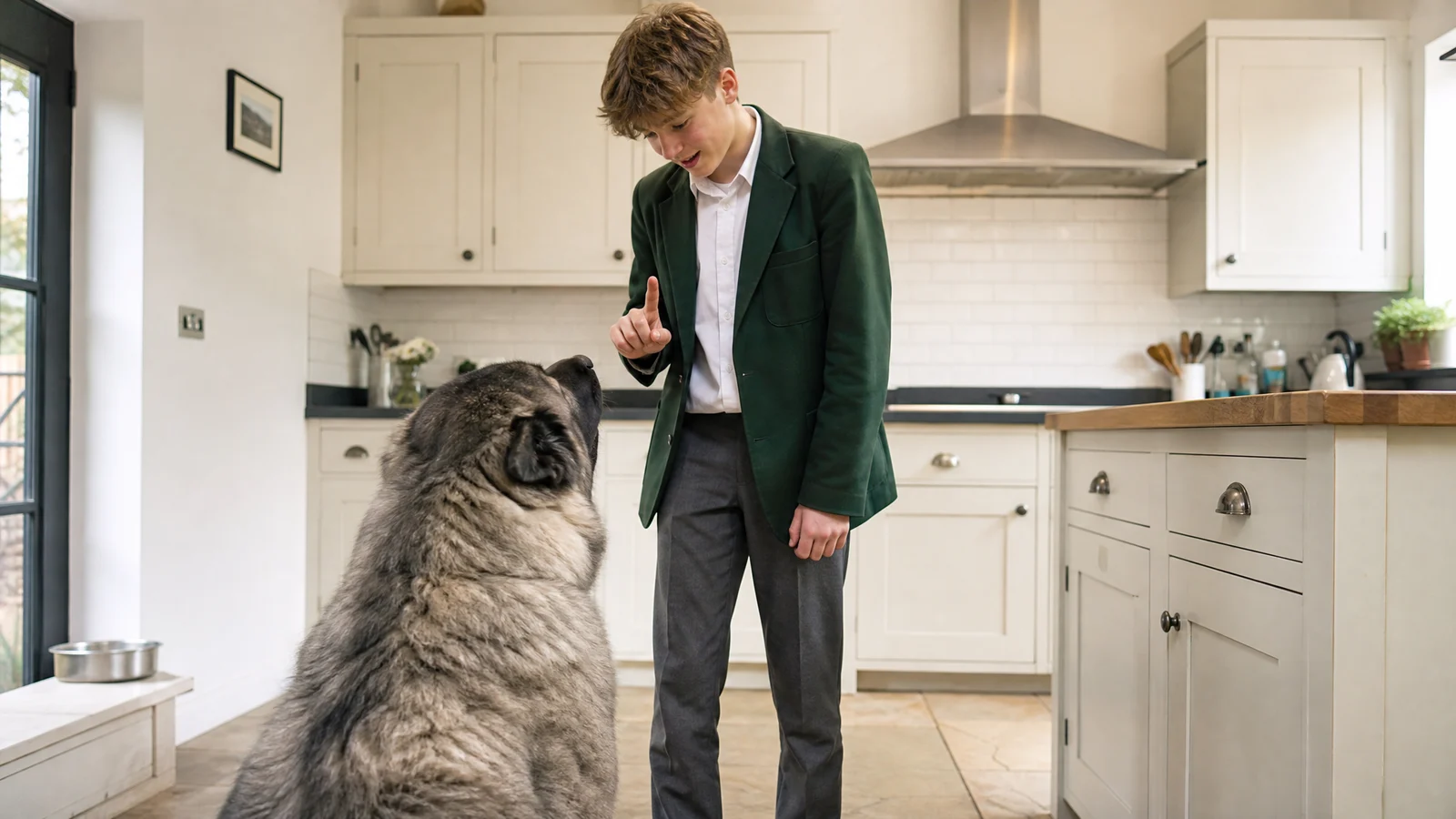 Training basicsA Reward-Based Guide to Training a Caucasian Shepherd
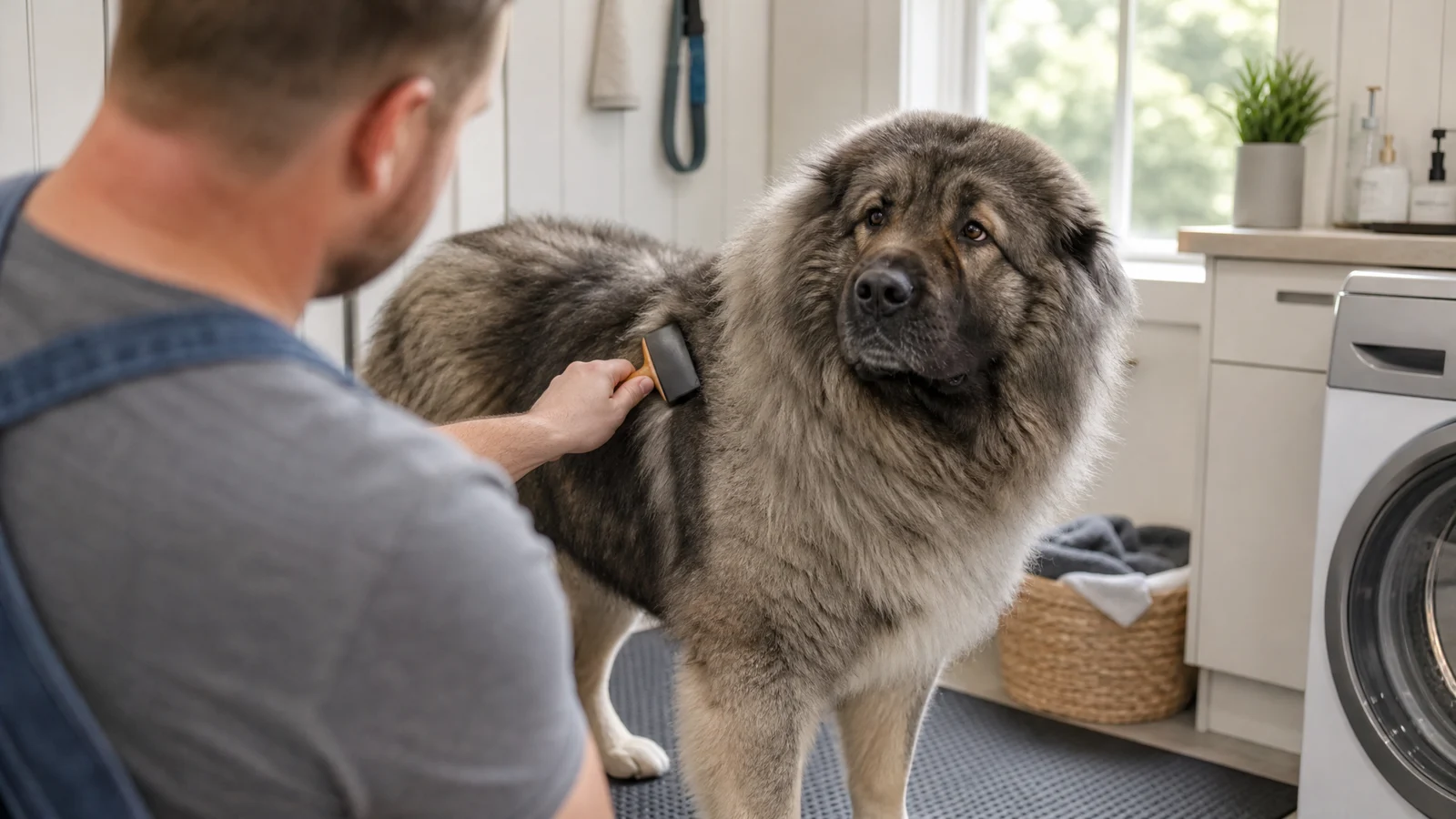 CareGrooming and Vet Handling for Each Caucasian Shepherd Type