
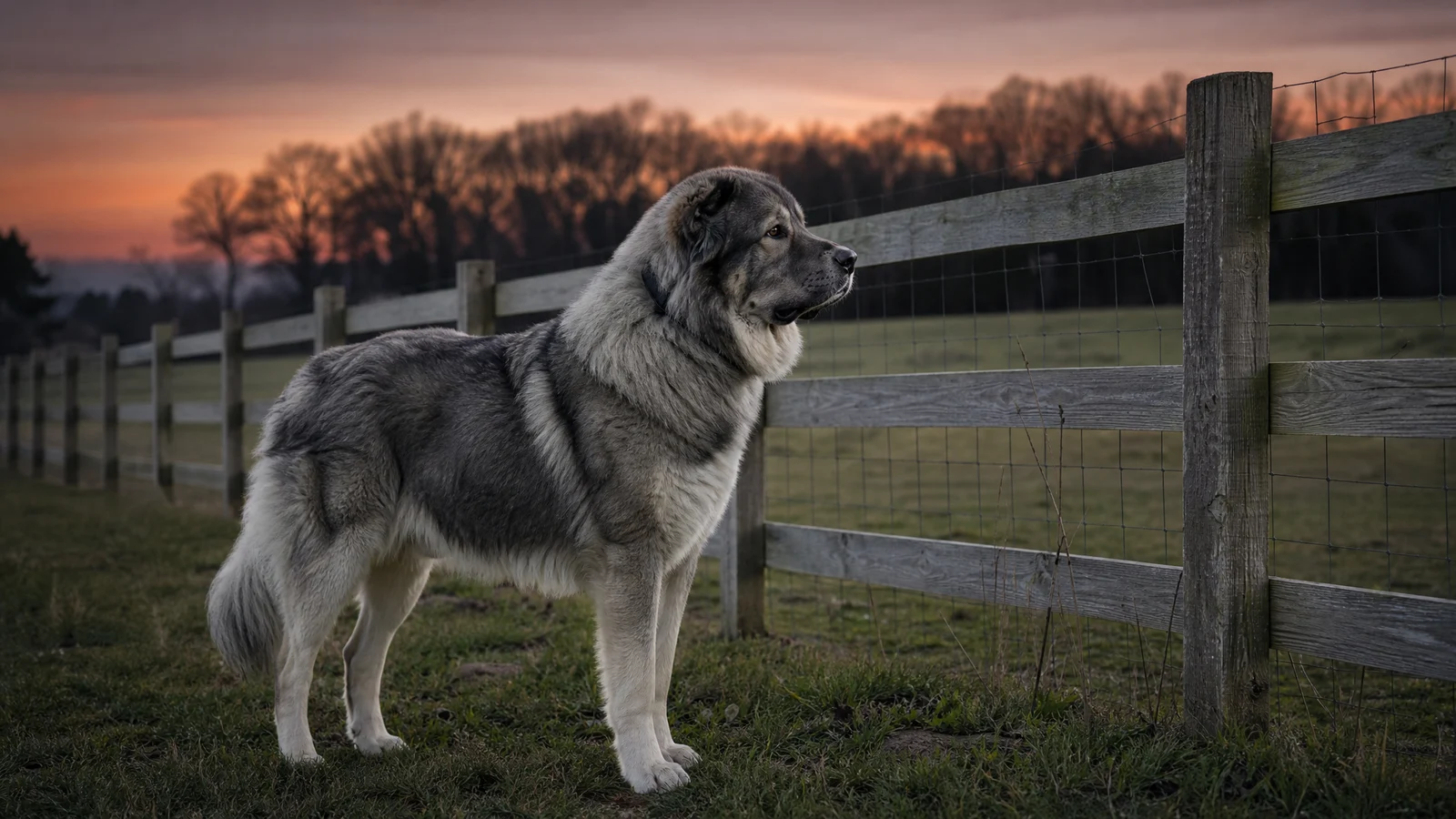
Your Caucasian Shepherd Dog is almost certainly alert, not angry, when they growl at the fence or bark in the night. The breed has keen senses and rates 5 of 5 for watchdog and protective nature, so a sound, scent, or movement you never noticed can trigger a response that sounds fierce to human ears.
Reading it correctly matters with a dog this large. Treat a report as hostility and you add tension to a dog who was only announcing a change, while overlooking true stress means missing a dog who needs help. Read on for what each growl, bark, and stance usually means, how to quiet the nights with setup changes, when to call a professional, and a two-week plan you can start tonight.
Warning Growls and Barking in a Caucasian Shepherd Dog
The low growl at the fence or gate is the sound that makes people search for the word "angry." The breed standard describes the pattern plainly: any change in surroundings can bring warning barks and growls, particularly at night. A strange car at the curb, a neighbor's gate latch, a package on the porch, or a shift in the wind can each count as a change. The dog is not picking a fight. They are noticing a difference and announcing it.
Your own senses are a poor guide to what they noticed. Their hearing and smell reach far past ours, so the trigger is often something you missed entirely. Watch where the ears point and where the nose works rather than where you are looking. A growl that fades once the dog has looked, sniffed, and heard your calm voice was a report that got delivered. A growl that keeps building toward one target is a different case, covered further down.
Respond in the same order every time, so the dog learns the sequence:
- Stay relaxed and quiet, and let the dog finish looking while you check what changed.
- The instant the dog glances back at you, mark that glance with a short, happy word of your choice and follow it with a treat.
- Invite them away from the fence or gate with a cheerful cue, and reward the first steps toward you.
- Write down what changed, the time, and how the dog's body looked. A log shows patterns long before memory does.
The same sequence works when the growl is aimed at people at the door, and our guide to welcoming visitors into your home covers that setup in detail. A growl is information, so spend your effort on what happens in the next ten seconds.
Is the Barking Alarm or Aggression?
Most barking is alarm, and the breed's profile supports that. Barking level is 2 of 5 on a scale where 1 means barking only to alert, and the breed is usually fairly quiet in the house. That describes a dog who speaks up when something changes and otherwise saves their energy. The first question to ask about any bark is what happened just before it.

Context comes first, then body language. A bark that starts when something new appears and stops soon after it leaves is alarm. Be honest about the other side too: this is a serious guardian breed that should never be taken lightly, with strong territorial instincts and real suspicion of strangers. That is why you read the body and not just the volume. The table sets the two pictures side by side.
| What you see | Alert barking | Stressed, fearful, or hostile |
|---|---|---|
| Posture | Weight balanced, head up, ears turned toward the sound | Body rigid, weight driven forward, hackles raised |
| Eyes | Scanning, with glances back at you | Fixed hard stare, or whites showing |
| Mouth | Relaxed or open between barks | Tight and closed, lips lifted, teeth shown |
| Tail | Carried naturally, may sway | Held stiff, or tucked low with trembling |
| Response to you | Turns toward your voice, takes a treat | Ignores you, refuses food |
| After the trigger leaves | Settles within a short time | Stays wound up, pacing or fixated |
No single sign settles the question, so judge the whole cluster, the setting, and how quickly the dog recovers. A dog who can take a treat and turn toward you is still thinking, which tells you the bark is alert behavior and your coaching will land.
Fear deserves its own note. A dog who barks while backing away, trembling, or tucking the tail is stressed, not angry, and needs more distance and a calmer setting rather than more exposure. Alarm is a job the dog is doing, while fear is a state they need help leaving.
Night Barking That Starts at Midnight
Night gives this breed's senses the most to work with. The house is quiet, sound carries, and animals, vehicles, and neighbors move through spaces the dog can sense and you cannot. The breed standard singles out night for warning barks, so a bark at midnight usually has a real trigger even when you step outside and see nothing. Your first job is to learn what sets them off, and your second is to reduce how much of it reaches them.
A common suggestion is to wear a barking dog out with a long evening workout. This breed is described as low energy with good endurance for walking, and the barking comes from perception, not surplus energy, so extra miles rarely help. A short leashed walk, a calm wind-down, and practice settling do more.
Indoor Sleeping
Indoors is the easiest place to fix night barking, so start there:
- Put the bed in an interior spot away from exterior doors and windows, close enough that the dog can hear the household and feel included.
- Close blinds in any room with a view of the street, because a dog who can scan the street will keep scanning it.
- Run a fan or white noise to soften what comes through the walls.
- When the dog lifts their head at a noise and then settles again, quietly drop a treat by the bed. That settling is the behavior you want more of.
Outdoor Sleeping
A dog who sleeps outside sees, hears, and smells everything with nobody nearby to check in with. The breed should be kept contained in a secure, fenced yard, so make that yard less eventful. Solid screening along the fence blocks sightlines to the street and neighboring yards. Put the shelter on the side farthest from the street and keep it comfortable. If barking continues after screening, moving the bed indoors is usually the quickest reset while you train.
Stiff Stance, Hackles, and Lunging Beyond Alert Barking
The more intense signs call for a different response, because the dog is no longer just reporting. Raised hackles show strong arousal and do not by themselves mean aggression. Combine them with a rigid stance, a fixed stare, refused treats, and lunging toward a person or dog, and you have a dog who is over their limit.
The standard notes lightning-quick defense of family and property from danger, real or perceived, and it holds handlers responsible for controlling their dogs. Management is your half of the arrangement.
When you see these signs, act in this order.
Start by increasing the distance calmly, using the leash and your own body to move away from the trigger without a scene. Once the dog can look at you again, mark the glance and reward it. Keep walks leashed and exercise areas securely fenced, since an independent dog needs reliable containment. Afterward, note the trigger and how close it got, then plan to stay farther back next time.
Some patterns call for expert eyes. Book a veterinary checkup, and also consult a trainer or behavior consultant who uses only rewards, if you see any of these.
Lunging or snapping that continues even at a distance, or that treats and your voice cannot interrupt, is worth a professional look. So is growling that jumps from warning to contact, or that arrives with no warning at all. A sudden change in a dog who was previously calm can point to pain or illness, and fear-driven reactions that grow stronger rather than weaker with practice belong on the same list.
The breed is slow to mature and headstrong, and the standard says socialization and patient training can temper suspicion into good judgment. For the wider picture of guardian instincts, see our guide to behavior problems.
Does a Caucasian Shepherd Dog Bark Without Cause?
Rarely without a cause, but often without one you can see. When barking seems to come from nowhere, work through the likely reasons in this order, because the early ones are the easiest to check.
- A trigger you missed, such as distant sounds, a scent drifting in, or movement past a window the dog can see and you cannot. Your log usually reveals the pattern.
- An unmet need, such as a full bladder, an empty water bowl, a room too warm for a thick-coated dog, or a spot that cuts them off from the family.
- Boredom. The breed has moderate mental stimulation needs, so this barking usually points to a lack of calm engagement, such as a chew, a sniffing walk, or a short training game, rather than a lack of miles.
- Pain or illness, which can show up as barking, whining, or pacing at odd hours, especially when the barking is new.
- Age-related change. Cognitive dysfunction in senior dogs can bring stronger reactions to strange or loud sounds, more barking, anxiety, and disorientation.
Because the breed is slow to mature, adolescent barking can look random while judgment catches up. Keep rewarding calm and give the process time. Regular vet visits are part of the answer, and a visit sooner is wise whenever barking is new, sudden, or comes with changes in sleep or movement.
Barking Fixes That Fit a Caucasian Shepherd Dog
Progress comes from teaching the dog what to do in place of barking. This breed is extremely independent and can be hard to train for obedience, though not impossible, so plan on patience and consistency over speed. The table pairs each symptom from this article with a first fix.
| Symptom | Usual cause | First fix |
|---|---|---|
| Low growl at fence or gate | Noticed a change | Let them look, mark the glance back, reward moving away |
| Barking at passersby | Clear sightline to the street | Screen the fence line and offer a chew away from the view |
| Midnight barking | Sounds and scents you cannot detect | Interior bed, blinds, white noise, reward settling |
| Stiff stance and lunging | Over their limit | Add distance, use the leash, call a professional if it persists |
| Barking with no visible trigger | Unmet need, boredom, or pain | Check needs, add calm enrichment, schedule a vet visit |
Build a Settled Place
Choose a mat or bed and reward the dog for lying on it, first when nothing is happening. Add duration slowly, then add mild background sound, and pay generously for staying relaxed. Lying down on a mat is hard to combine with scanning and barking, and the mat travels with you to the porch, the vet, or a friend's house.
Add a Word for Silence
Let the dog deliver their report first. Then calmly say your chosen word and offer a steady stream of tiny treats until the barking stops. The dog learns the word over several days or more, so expect a slow build with an independent breed. Begin with low-level triggers such as a distant sound before trying it on the real thing.
Manage the View and the Sound
Management does half the work. Screen fence lines, close blinds, keep gates latched, and use white noise at night. Every trigger you remove is one less rehearsal of the habit, which lets the training you do add up.
Your Two-Week Plan for Calmer Barking
This plan puts observation before changes and changes before training. Adjust the pace to your dog, since a slow-maturing breed may need more repetition at each stage.
- Days one and two: Observe only. Note when your dog barks or growls, where, and what the body looks like, using the table above.
- Days three and four: Keep logging triggers, and sit where the dog sleeps and stands to see and hear what they do.
- Days five and six: Adjust the setup. Move the bed inward, close blinds, add white noise, and screen the worst sightlines.
- Days seven and eight: Teach the settled place with treats and no triggers around.
- Days nine and ten: Practice the settled place with mild sounds, and mark and reward every glance back at you.
- Days eleven and twelve: Add your word for silence at low-level triggers, with tiny treats.
- Days thirteen and fourteen: Review the log. If barking is down and recovery is faster, keep going. If you see lunging, new behavior changes, or no progress, book your vet and a reward-based behavior professional.
Throughout, remember what this breed is. A watchful dog who notices every change is doing what they were bred to do, and with a good setup and rewarded calm they learn to report and then relax. Alert is not angry.
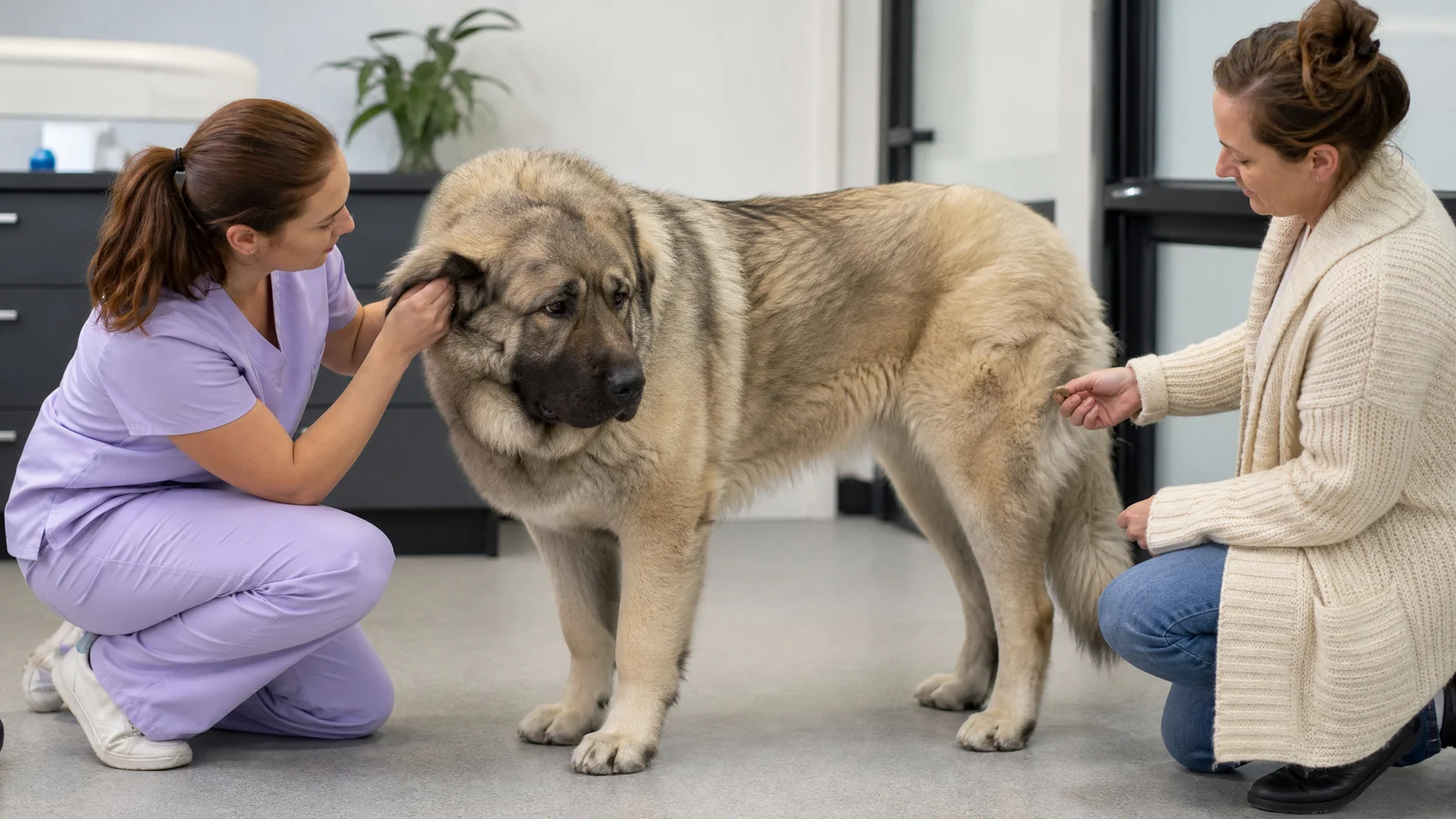 Puppy trainingTraining a Caucasian Shepherd Puppy Who Grows Over 100 Pounds
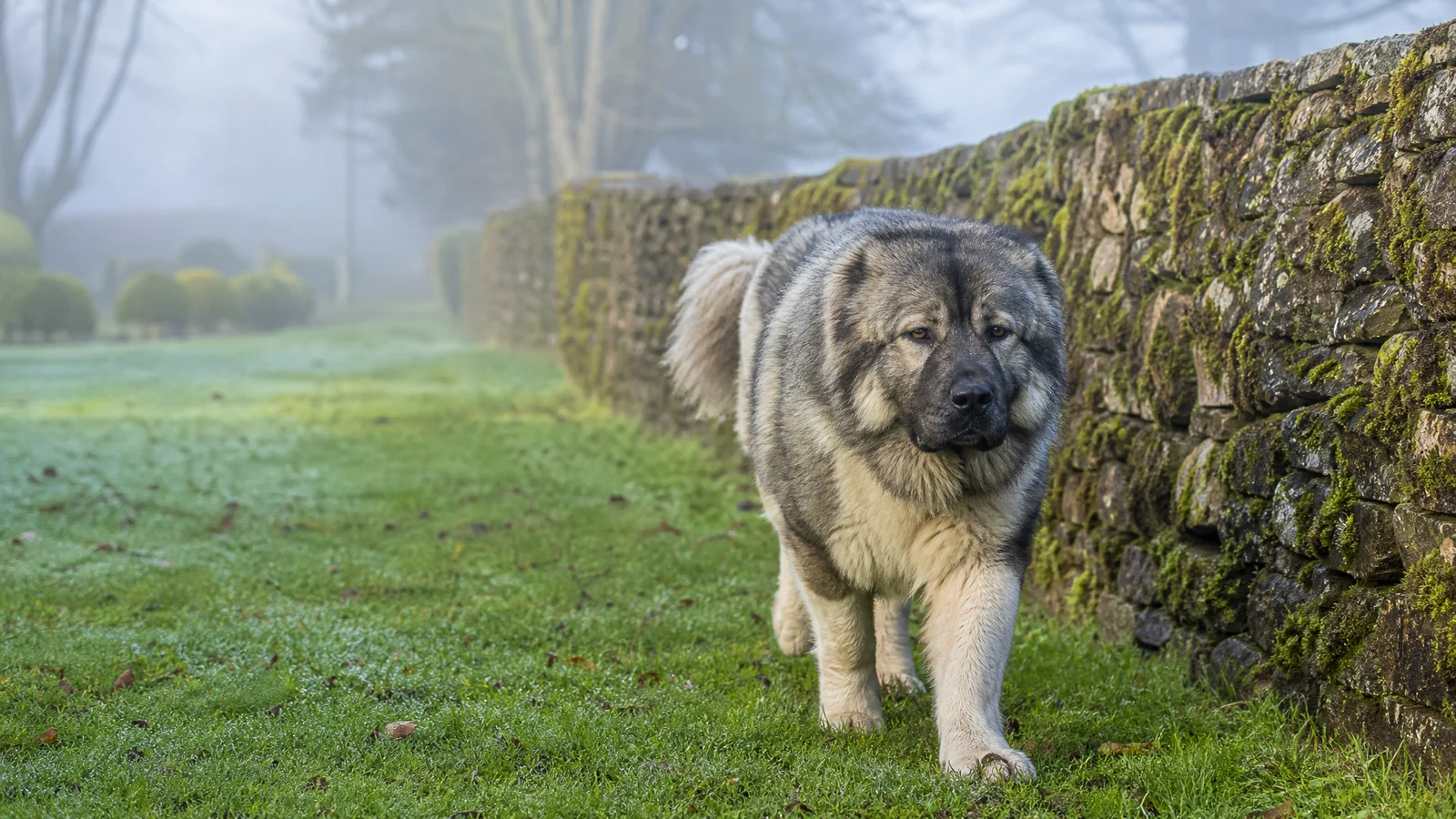 Exercise and jobsCalm Outdoor Jobs for a Caucasian Shepherd Livestock Guardian
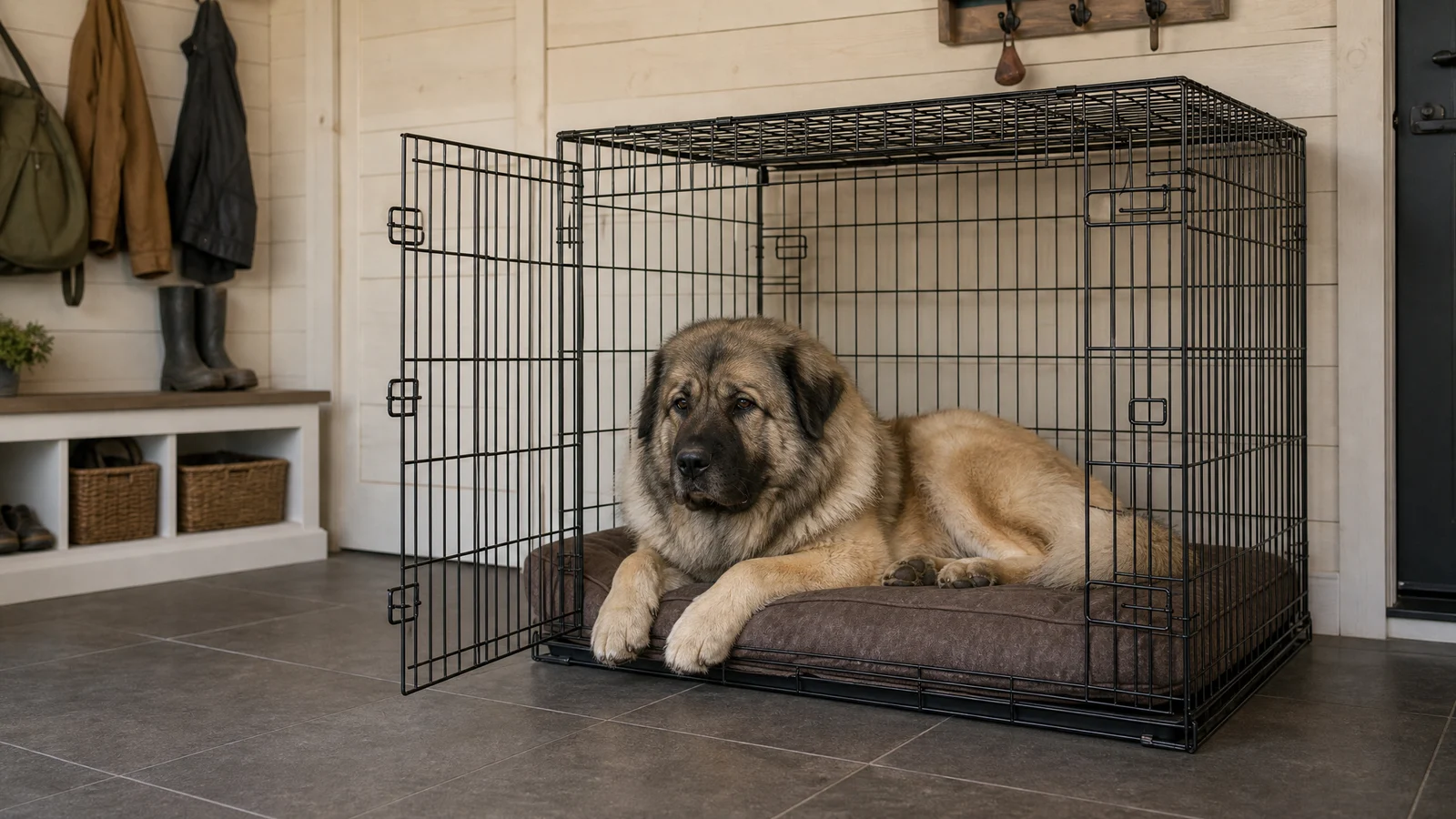 Training basicsCrate Training a Caucasian Shepherd Without Panic