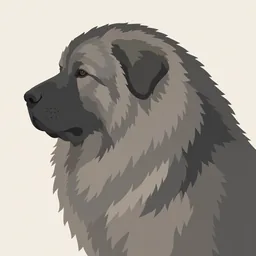
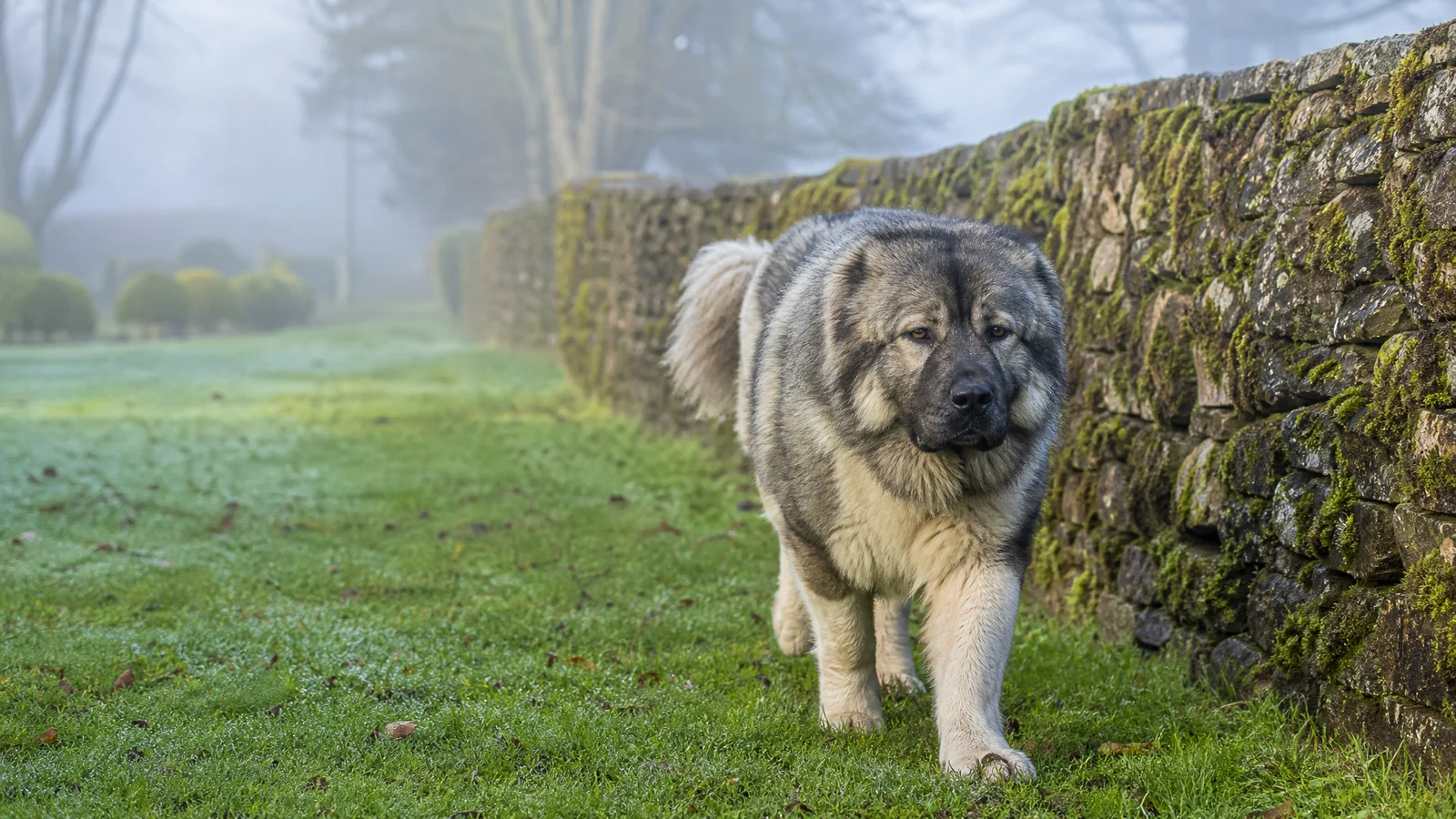
Breed descriptions and general working-dog advice credit a livestock guardian with drive and stamina, and the usual conclusion is a big outlet such as agility, fast games or long daily runs. The Caucasian Shepherd Dog's own description reads quieter: a low energy dog with good endurance for walking and hiking, active outdoors and usually fairly quiet in the house. In daily life that looks like a dog who patrols the yard steadily and naps indoors.
This article looks at dog sports and calm outdoor jobs for the breed, testing each popular belief against the facts, so you can build a weekly routine of yard rounds, leashed hikes, scent games and, when your dog is ready, Companion Events. Training this breed is our specialty, and our verdict is rarely "add more speed."
Get the balance wrong and you end up with a sore, overheated or wound-up giant. Get it right and you live with a settled dog who rests easily indoors.
Flock Guarding History Is Not a Dog Sports Résumé
The belief: a breed that faced down wolves for centuries must be a born athlete. Check the record. These dogs guarded livestock from predators such as wolves and coyotes, protected properties from trespassers and come from the Caucasus mountains of Eastern Europe. Later, state kennels in the former Soviet Union put them to work watching factories and government facilities.
Notice what those jobs share. Each one was about standing watch, staying near what mattered and judging whether something was a threat. None involved chasing, fetching or running a course on cue.
What the history does explain is stamina. The breed's endurance let people use these dogs in all kinds of climates, including severe ones, which describes a dog built to keep going at a walk. In the United States they have also earned a reputation as trustworthy service dogs, another steady, unhurried role.
Verdict: busted. Guardian history predicts steadiness and staying power, not a sports career. In the West most of these dogs are companions and watchdogs today, so the useful question is how to give old instincts a quiet outlet.
A Caucasian Shepherd Dog Does Not Need Hours of Running
The belief: a large working breed needs long, hard exercise every day or the house pays for it. The breed description points the other way. The description calls this a low energy dog who should have good endurance for walking and hiking, and the breed ratings sit at moderate for energy and mental stimulation and low for playfulness.
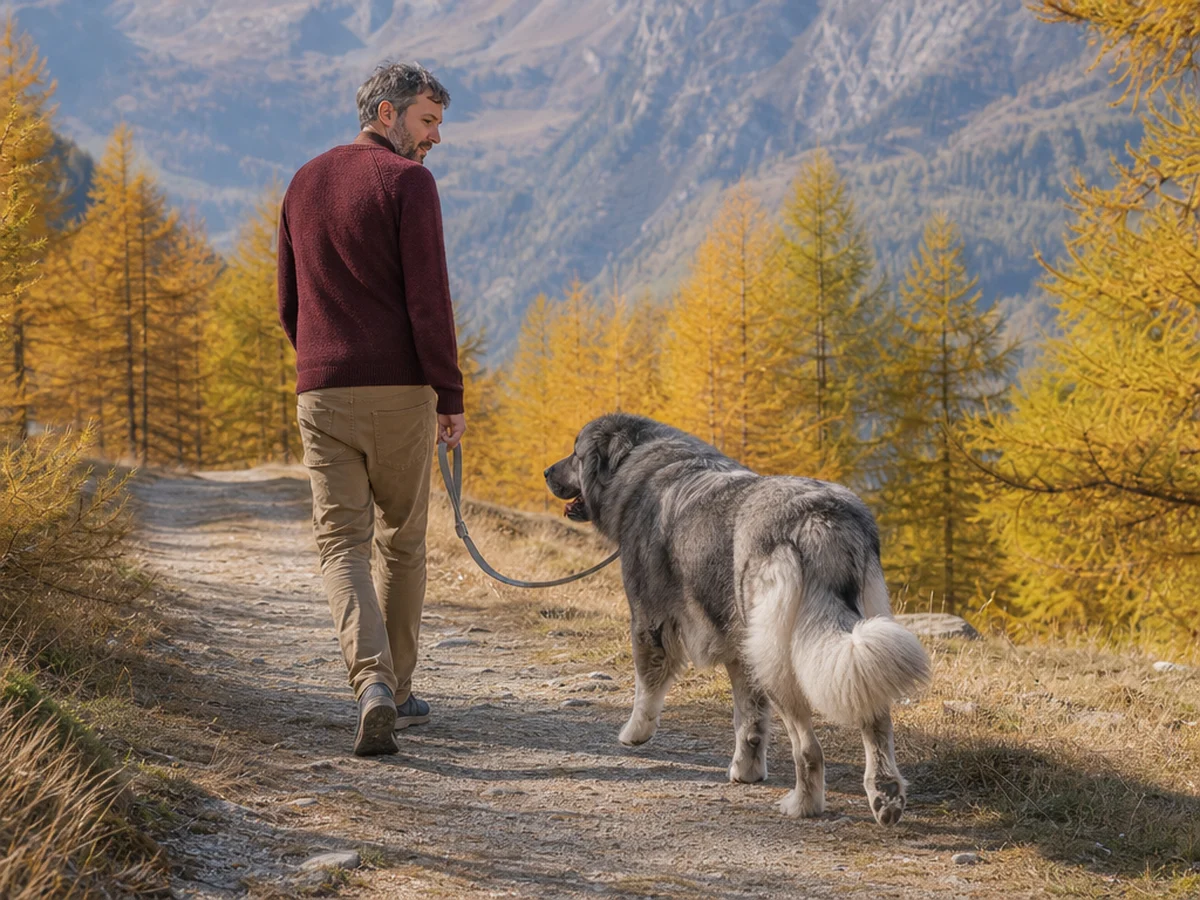
Endurance and energy are different things. Endurance is the ability to keep going. Low energy means the dog does not demand it. A dog can own the engine and still be happy to idle.
So retire the advice about tiring a dog out. A heavy dog pushed to exhaustion is more likely to get sore or overheated. Aim for rested and settled, not spent. A workable adult day can look like this:
- A calm morning round of the yard, then a settle on a mat with a treat each time they lie down.
- An unhurried leashed walk or hike, with time to sniff and routes that change often enough to keep them thinking.
- A short scent game or training session at home, stopped while the dog still wants more.
- A quiet evening round, then rest indoors with the family.
The breed is intelligent and independent, so exercise happens in a fenced yard or on a leash, never loose. In warm weather, walk early or late, carry water and rest in shade. Surviving severe climates is not the same as enjoying an afternoon in full sun.
Regular vet visits tell you what your own dog can handle, so ask before you add distance. For more ways to combine walks and puzzles, see our Caucasian Shepherd walk and brain-game routines.
Yard Patrolling Counts as a Real Job Beside Dog Sports
Common advice treats patrolling as a habit to break: block the view, call the dog in, stop the pacing. Weigh that against the breed. Watchdog nature sits at the top of the rating scale, the senses are keen, and any change in surroundings can bring warning barks and growls, particularly at night.
A dog like that walks the fence whether you approve or not. Banning the round only moves the job to a time and place you cannot supervise. Verdict: patrolling is a legitimate, self-directed outdoor job, as long as the yard is secure and the job has an ending.
A sound fence comes first. After that, give the round a shape with a beginning and an end:
- Let the dog do a calm round at a regular time of day, so the job becomes predictable.
- Call them to a mat when the round is done and cue a settle.
- Pay for lying down, and keep paying while they stay there.
- Go indoors together, so the end of the job always means company.
The finish matters more than the round. A dog with no off switch keeps scanning, and scanning slides into barking at every passerby.
Reward quiet, not alarm. When they alert, thank them once, call them to you and pay for turning away from the fence. Practice that recall somewhere quiet first, on a long training leash, which gives the dog some freedom while you still hold the other end.
Fast Dog Sports Fit Few Giant Guardian Breeds
The belief: every dog deserves a turn at agility, flyball or whatever is fast and fashionable. For many breeds that is fair. For a giant guardian it deserves a harder look at body and temperament, and the gentler options turn out to fit better.
Where Speed Costs Too Much
Start with the body. This is a heavy dog, and the standard calls the breed slow to mature. Repeated jumps, hard turns and sudden stops ask a lot of joints that may still be finishing growth, and a giant adolescent can look grown long before they are. Check with your vet before any new physical work and hold back high-impact moves until growth is done.
Then the temperament. Playfulness rates low, and the standard describes a dog very suspicious of strange people and dogs. Fast sports pack excited dogs, noise and strangers into one space, the setup most likely to wind up a watchful dog.
The standard treats mild dog aggression as normal for the breed, yet handlers can be penalized for failing to control their dogs. A trial ring is where that gap shows.
Verdict: not forbidden, just a poor default. If your dog truly loves a fast game, fine. Choose it because they enjoy it, not because working-dog advice said so.
Gentler Options That Fit
Scent work is the best match. K9 Nose Work has the dog search for scents hidden indoors and outdoors. Beginners let the dog find a prized treat or toy tucked into just one container among several.
At home, line up a few paper bags along a hallway, hide the reward in one and pay for every find. On a hike, toss a few treats into tall grass and let them sniff them out. The dog does the thinking at their own pace, and their attention stays on the ground and on you instead of on the fence.
Companion Events have been open to the breed since January 1, 2008. Eligible does not mean easy. Watch a class without your dog first and look for small groups, space between dogs and instructors who use rewards only. Enter when your dog can settle near others, not before.
The table sets the realistic options side by side.
| Activity | Why it fits or does not | What to watch |
|---|---|---|
| Leashed endurance hikes | Uses stamina at a steady pace | Heat, hard surfaces, loose dogs on the trail |
| Scent games at home | Mental work with no crowds | Short sessions, a reward for every find |
| Nose work classes | Structured searching, one dog working at a time | Waiting areas near other dogs |
| Companion Events | Open to the breed and built on handler focus | Strangers, crowds and control in the ring |
| Agility and other fast sports | Hard on big joints and a suspicious temperament | Jumping, sharp turns, excited dogs nearby |
A Quiet Indoor Caucasian Shepherd Dog Is Not Bored
The worry: a dog sprawled on the floor must be under-stimulated. With some breeds that alarm is fair. Here, check the pattern before reacting. The breed is active outdoors and usually fairly quiet in the house, and barking is rated low, mostly to alert.
A dog bred for long watches learns to rest between events, and that rest is part of the design. They are also soft and devoted with their families, so lying in the same room counts as company. A dog snoozing after a patrol and a walk has simply done the day.
Real under-stimulation looks different. Watch for pacing indoors that never settles, new barking at the fence, or digging and chewing that appear when the routine shrinks. Those signs mean the outdoor day got too thin, and the fix is more walking, searching and rounds, not more noise indoors.
Otherwise, leave the sleeper alone.
Caucasian Shepherd Dog Yard Patrolling Needs No Schooling
The belief: a dog who patrols needs coaching to do it properly. They do not. The guarding is history, and the watchfulness is already installed. The breed is described as a serious guardian that should never be taken lightly, with strong territorial instincts and a vigilant nature.
Drive is not what these dogs lack. Judgment is what you build. The standard says socialization and patient training can temper the breed's suspicion of strangers and strange dogs, producing a mature dog with good judgment. So the training worth doing is calm greetings, a settle on the mat and coming when called. Spend your effort on the off switch.
What to skip matters just as much:
- Skip rewarding barking at every passerby, and pay for quiet and for turning back to you.
- Skip rough, frantic games near the fence, which raise arousal in a dog whose natural mode is calm watching.
- Skip crowded introductions, since bringing people into the home takes planning, and let strangers meet the dog calmly and at a distance, on your schedule.
- Skip long, repetitive drills, because an independent dog tunes out and does better with short sessions that end on a win.
Expect to need extra patience. The breed is intelligent and extremely independent, and obedience can be difficult but not impossible. Consistency beats intensity.
Calm Dog Sports and Jobs Through the Years
The routine you build now has to last, because this breed matures slowly and stays useful for years. Here is how the same few jobs shift as your dog ages.
The standard calls the breed slow to mature and headstrong, so early life is for foundations rather than sport: short walks, calm exposure to people and dogs at a comfortable distance, and simple cues paid with treats. Adolescence can drag on. Keep sessions brief, expect good days and bad ones, and hold back jumping and long hikes.
Adulthood is where the routine pays off. Yard rounds, leashed hikes, scent games and nose work all fit, and Companion Events join the list if your dog can settle near others. A mature dog with good judgment is the reward for patient early work. Even then, expect an independent dog who sometimes declines. Shorten the session and try again later.
Seniors still want a job. The patrol continues, just slower. Shorten walks, choose softer ground and lean on scent games, which ask for thought instead of effort. Vet visits matter more now, and any change in how your dog rises or climbs steps is worth mentioning.
The shape of the day hardly changes: a yard round, a good walk, a search game, a settle on the mat, then rest with the family. That rhythm suits the breed's history, protects the joints and points the instinct at something calm. Adjust distances as your dog slows, keep the jobs, and the dog you live with in old age will be the same watchful, quiet companion you started with.
 Training basicsCrate Training a Caucasian Shepherd Without Panic
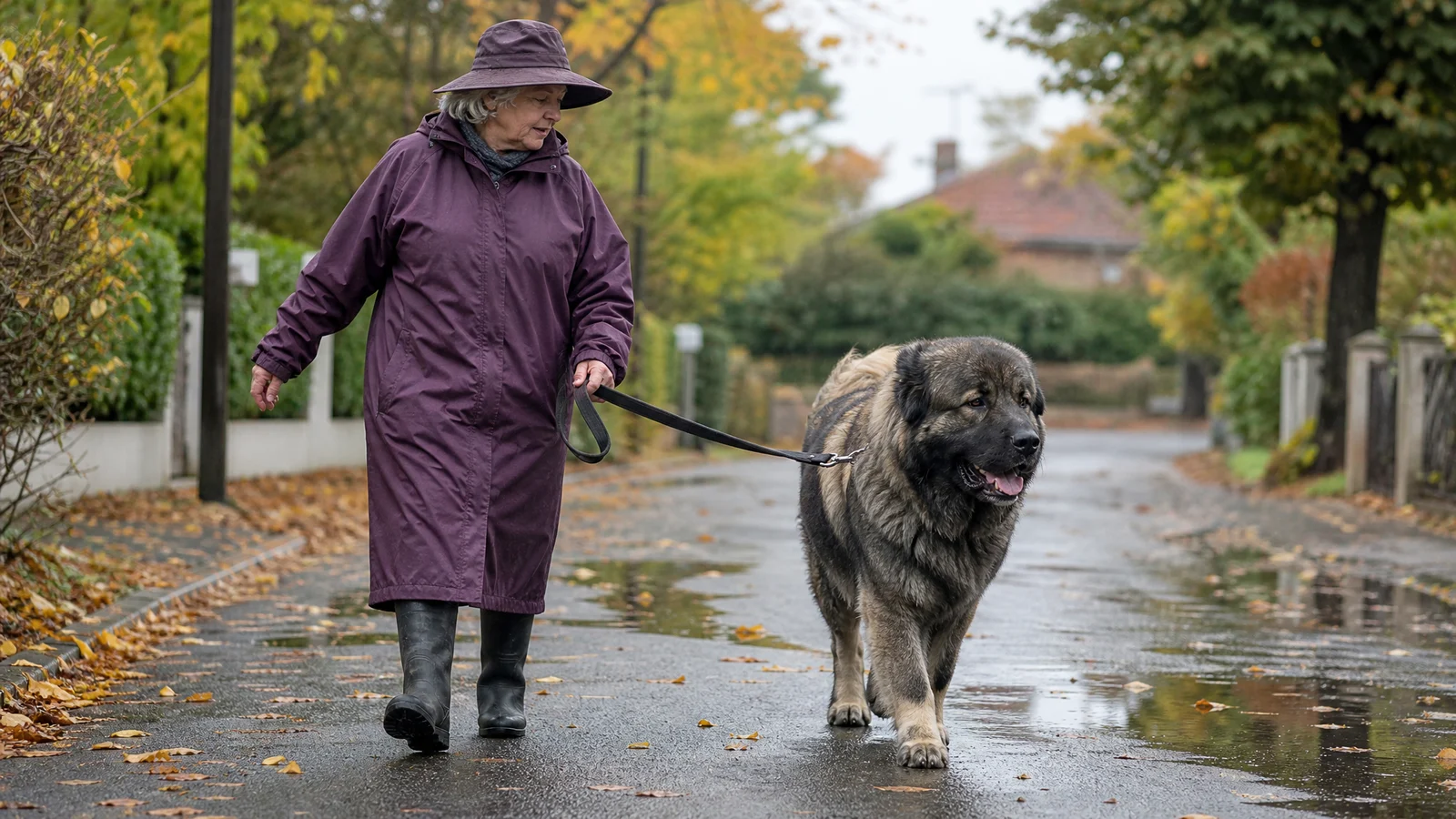 Exercise and jobsExercise and Brain Games for a Caucasian Shepherd
 Training basicsHow to Potty Train a Caucasian Shepherd Puppy